
Your Nervous System Doesn’t Need Another Thing on Your To-Do List
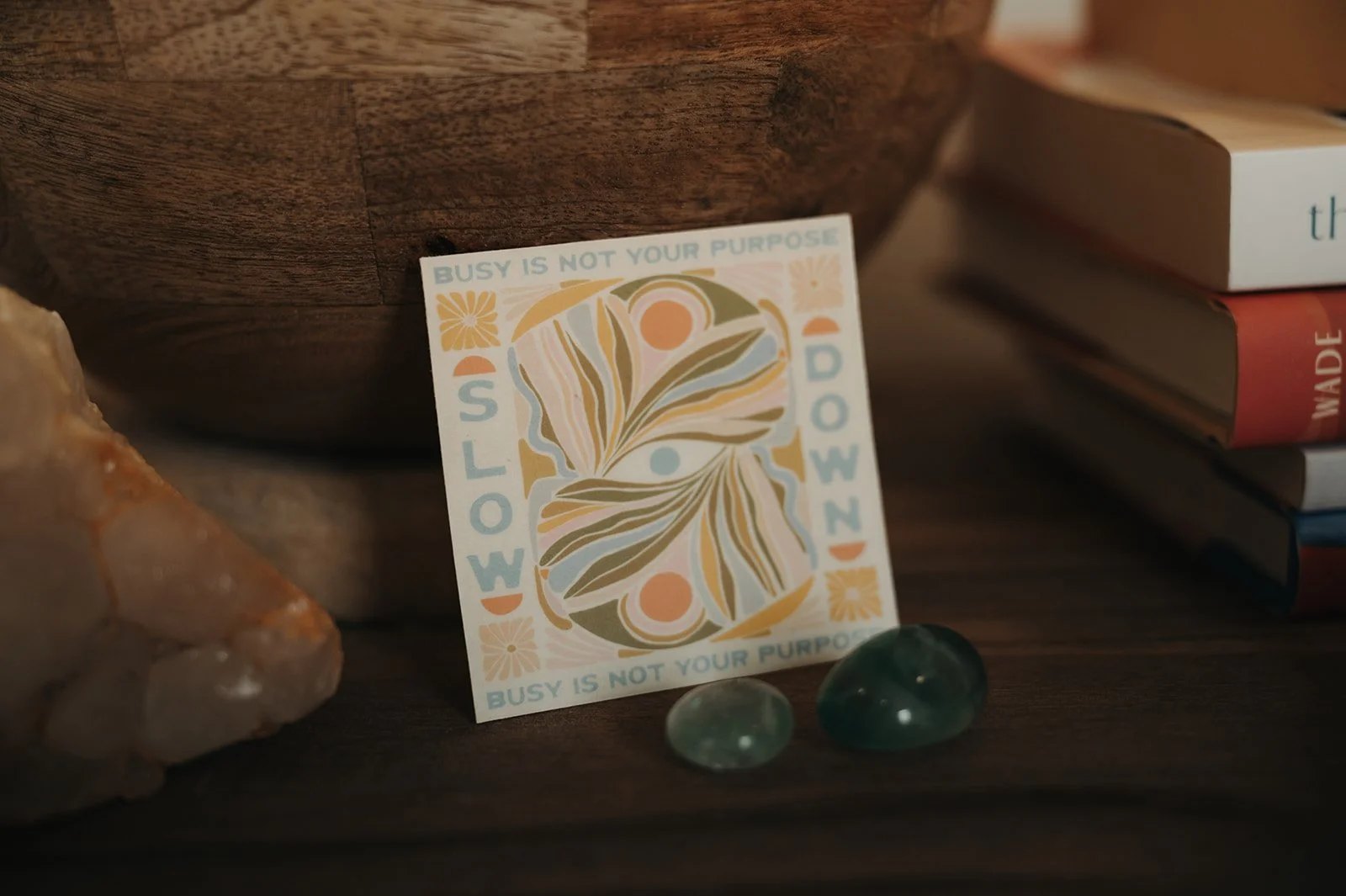
Lately, we’ve been talking a lot about the nervous system at Holm.
Not because we think you need one more thing to add to your wellness routine—but because your nervous system is already involved in so much of what you do each day.
How you sleep.
How you digest.
How you respond to stress.
How you connect with the people around you.
How present you feel in your own life.
Your nervous system is constantly taking in information from the world around you, helping your body respond to what feels safe, stressful, energizing, or overwhelming.
And when stress becomes prolonged without enough opportunity for recovery, it can begin to affect things like sleep, digestion, mood, and our ability to feel present.
So what can we actually do about it?
Perhaps the answer isn't to do more.
Perhaps it's to begin noticing the small moments that already exist in our days.
Regulation can be surprisingly ordinary
When we think about nervous system regulation, it's easy to picture meditation cushions, breathwork classes, or a perfectly quiet morning routine.
Those things can be wonderful.
But regulation can also happen in much smaller moments.
A few extra minutes over your morning coffee.
A walk without your phone in your hand.
Taking a breath before moving on to the next thing.
Putting your utensils down between bites.
Letting the end of your day become a little slower.
These moments may seem insignificant, but they give us opportunities to practice moving between activity and recovery.
We're not looking for perfection.
We're looking for small, consistent moments of presence.
Connection is part of the picture

One of the things we love about the nervous system is that it reminds us that wellness was never meant to be something we do entirely on our own.Our nervous system is deeply connected to our experience of other people. Positive social connection and support can influence how we experience and respond to stress.
Kensey was reminded of this while travelling through Italy with friends and family.
There were long walks along the Amalfi Coast, meals shared around a table, getting lost down little streets, and laughing until their stomachs hurt.
There was nowhere else they needed to be.
And there was something about that combination of movement, food, laughter, fresh air and connection that felt deeply restorative.
Sometimes, the things that help us slow down aren't complicated at all.
Sometimes they're sitting around a table with people we love.
Touch can create a moment of pause
Another simple way we've been exploring nervous-system support is through touch.
Facial and jaw massage can be a beautiful opportunity to slow down and become aware of areas where we may be holding tension.
It's one of those practices that doesn't ask much of us.
We simply receive.
At Holm, we're fortunate to have connections with local practitioners like Sabrina at Earth Skin Studio, whose facial massage offerings create space for exactly this kind of intentional pause.
Sometimes caring for ourselves can look like allowing someone else to help us soften.
Slow down your next meal
This month, we also wanted to look at something we do every single day:
Eating.
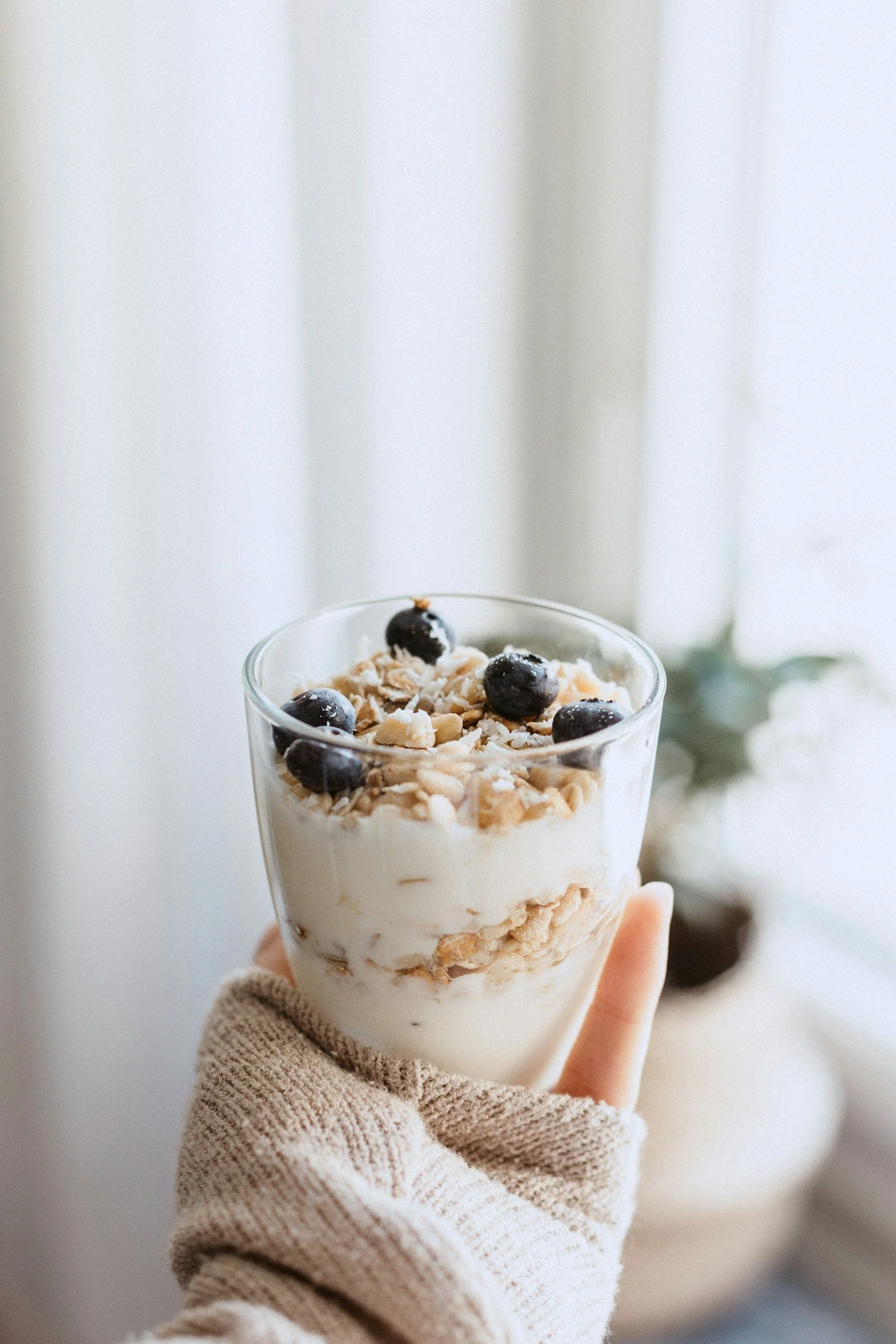
Rather than focusing only on what we're eating, we're paying attention to how we're eating.
A rushed meal eaten while answering emails or scrolling through your phone is a very different experience from sitting down, taking a breath, and actually noticing the food in front of you.
Try putting your utensils down between bites.
Chew a little longer.
Notice when you begin to feel full.
Take away the distractions for a few minutes.
Your next meal can become a small practice in presence.
And that practice doesn't need to be perfect to be meaningful.
A few small swaps to try
If you're curious about bringing a little more space into your day, start small.
Instead of rushing from one thing to the next:
Create a micro-pause between activities.
Instead of doing several things while drinking your coffee or tea:
Try doing just that one thing.
Instead of moving through your day at the same hurried pace:
Move as though you have a few extra minutes.
Instead of ending the day at full speed:
Dim the lights, stretch gently, or spend a few minutes away from your screen.
Instead of holding your breath when you're stressed:
Notice your breathing and experiment with a slower breath and a longer exhale.
Instead of always reaching for intense movement:
Try a walk, gentle swaying, or light mobility when your body is asking for something softer.
Small changes don't require a complete life overhaul.
They simply create more opportunities to notice.
We don't have to do it perfectly
Maybe that's the most important part.
Supporting your nervous system isn't about finding the perfect routine or adding another item to your wellness checklist.
It's about creating moments where your body has the opportunity to move out of constant doing and into recovery.
A meal.
A walk.
A conversation.
A slower breath.
A massage.
A laugh around a table.
A few quiet minutes at the end of the day.
At Holm, we believe wellness grows in these ordinary moments—and that sometimes the most meaningful changes begin with simply paying attention.
So, rather than asking yourself, “What else should I be doing?”
Maybe this month, try asking:
“Where could I create a little more space?”
That might be where regulation begins.
