
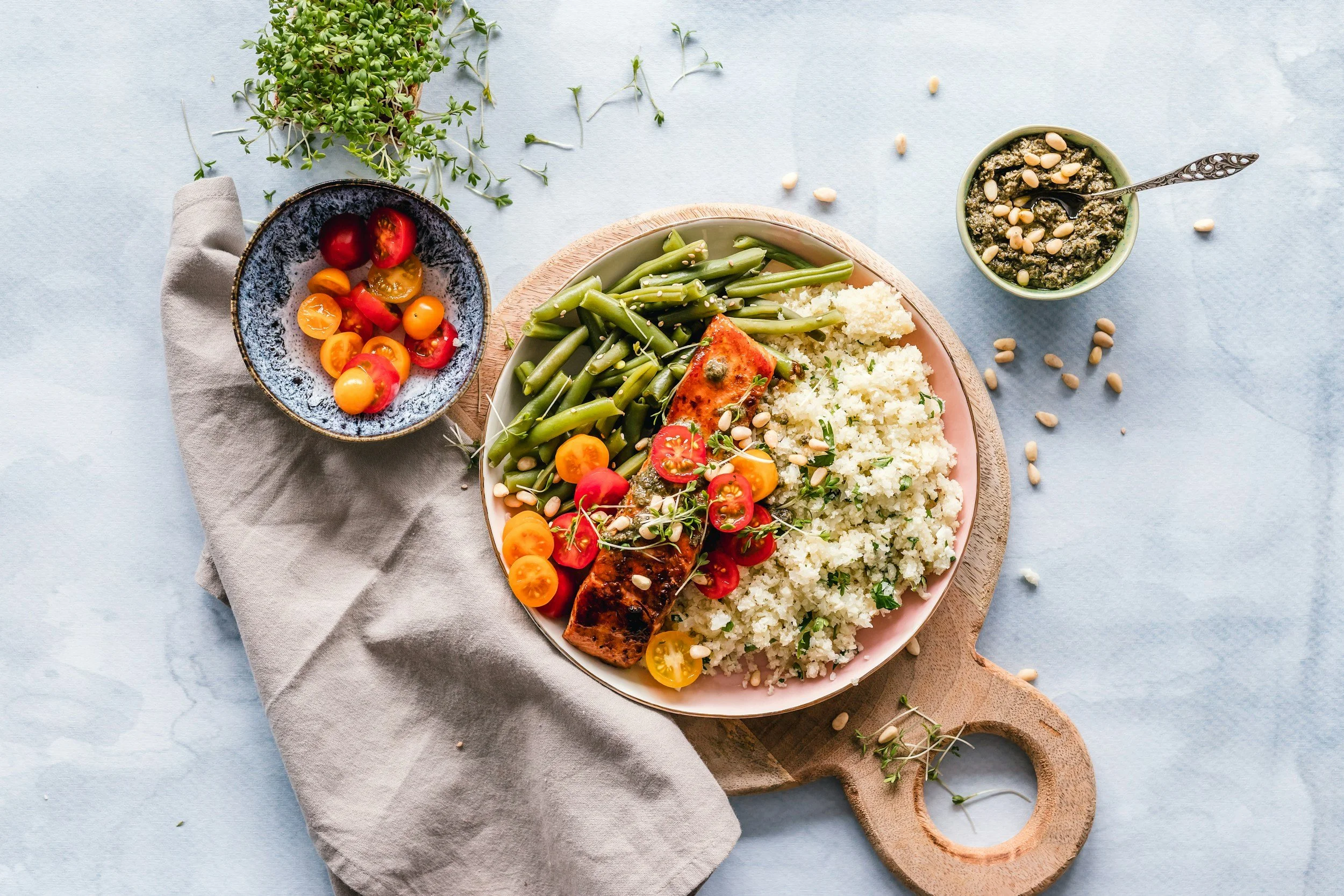
Gut health is about more than digestion. Discover how food, daily rhythms, stress, and connection can help support the relationship between your gut and the rest of your body.
At Holm Collective, we love sharing the things we’re learning, trying, reading, and enjoying along the way. Sometimes it’s a book we can’t put down, a podcast that changes how we think about health, or a new experience that reminds us of the importance of slowing down and connecting with others.
This month, we’ve been exploring one of the most fascinating relationships in the body: the connection between our gut, brain, and overall well-being.
Our gut does so much more than digest our food. It plays an important role in immune function, communicates with the brain and nervous system, and helps shape many of the processes that support our health. And while gut health can sometimes feel complicated, supporting it doesn't have to mean completely changing your lifestyle.
Often, it begins with small, consistent choices — the foods we eat, the way we approach mealtimes, the moments we make space for rest, and the people we share our lives with.
Here are a few things our Holm Collective team has been learning and putting into practice.
1. What we're learning: Your gut is part of a bigger picture
The gut is home to trillions of microorganisms, collectively known as the gut microbiome. These microbes interact with our digestive and immune systems and participate in a complex, two-way communication network between the gut and the brain.
This relationship is often called the gut-brain axis.
It helps explain why our experiences are not always as separate as they might seem. Stress can influence digestion, digestive discomfort can affect how we feel, and the everyday conditions in which we live can influence the environment of our gut.
Diet is an important piece of this picture, but it isn't the only one. Sleep, movement, stress, social connection, and daily routines also contribute to our overall health and well-being.
At Holm, we're interested in exploring these connections without making wellness feel overwhelming. Rather than searching for one perfect food or a quick fix, we can begin by looking at the everyday patterns that help our bodies function well.
2. What we're listening to: A fresh perspective on the gut microbiome
One of Kensey's favourite listens this month is the Dr. Mark Hyman podcast episode, “What We Got Wrong About the Gut Microbiome (And What's Actually Right)”, featuring Dr. Emeran Mayer, a leading expert in gastroenterology and neuroscience.
The conversation explores how our understanding of the microbiome has evolved and why the relationship between our gut and the rest of the body is more complex than we once thought.
One of the key takeaways is that supporting the microbiome involves looking beyond food alone. Our stress levels, sleep, movement, relationships, and sense of purpose all form part of the broader context in which our health develops.
It's a reminder that wellness rarely comes down to one isolated habit. Our bodies are interconnected, and the way we care for ourselves is interconnected, too.
Want to listen? Search for the episode title on your favourite podcast platform.
3. What we're trying: Adding more fermented foods
One simple way to bring more variety into your diet is to explore fermented foods.
Foods such as sauerkraut, kimchi, kefir, and other cultured products can contain live microorganisms, depending on how they're made and stored. Fermented foods can be an enjoyable addition to a varied diet, and research suggests that some may support aspects of gut microbiome diversity.
Mandy has been enjoying the selection at Healthfitters, right here in downtown Lacombe, including locally made sauerkraut from The Fermentation Station.
We love finding ways to connect the things we're learning about health with the wonderful local businesses and makers in our community.
A simple place to start: Add a small serving of a fermented food to a meal you already enjoy. Try sauerkraut alongside a savoury bowl, kimchi with rice and vegetables, or kefir as part of breakfast.
There is no need to introduce everything at once. Start with what appeals to you, pay attention to how your body responds, and build from there.
Local favourite: Visit Healthfitters in Lacombe to explore their selection of fermented foods.
4. How we're connecting: Food is about more than what's on our plate
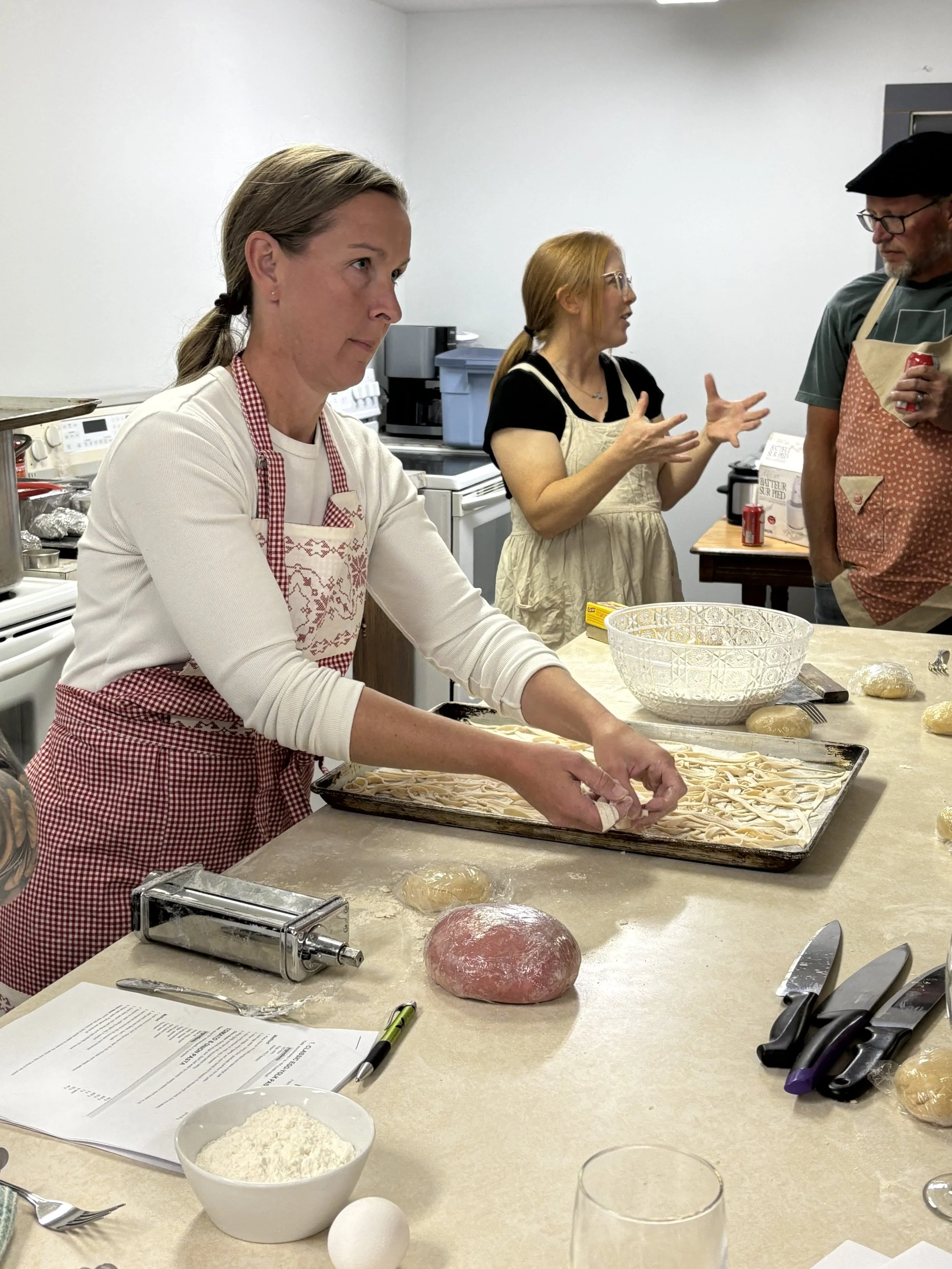
Recently, Mandy joined a pasta-making class with family and old friends. What began as an opportunity to learn a new cooking technique became something much more meaningful: time to slow down, share an experience, laugh, and reconnect with people she hadn't seen in a while.
It's easy to think about food only in terms of nutrients, ingredients, and what we should or shouldn't eat. But food also brings us together.
Preparing a meal with someone, sitting around a table, or learning a new recipe can create opportunities for connection that we might otherwise miss in our busy routines.
Our social experiences and stress responses can influence digestive function through the gut-brain axis. Feeling safe, relaxed, and connected may help create conditions that support digestion, although the relationship is complex and varies from person to person.
This is one reason we love the idea of making food an experience rather than another task to get through.
Try cooking with a friend, inviting family over for a simple meal, or setting aside time to prepare something new. You don't need an elaborate recipe or a perfectly set table.
Sometimes, nourishing ourselves also means making room for the people who make life feel a little fuller.
5. How we're slowing down: Making space for digestion
Have you ever finished a meal and realized you barely remember eating it?
Between busy schedules, work, family responsibilities, and the constant pull of our phones, it's easy to rush through meals without giving ourselves a moment to pause.
The gut and nervous system are closely connected. Our autonomic nervous system helps regulate digestive processes, and stress can influence gut function in different ways. While slowing down isn't a cure for digestive concerns, creating a calmer eating experience can be a useful place to begin.
Our team has been experimenting with two simple practices.
Pause before the first bite.
Before you begin eating, take 30–60 seconds to notice your surroundings. Look at your meal, notice its colours and aromas, and allow yourself a moment to arrive at the table.
Eat with a little more intention.
Chew your food thoroughly, set your utensils down occasionally, and give yourself permission to take your time. When possible, put away distractions and enjoy a few quiet moments after your meal.
These practices aren't about following another set of rules or eating perfectly. They're simply invitations to pay attention to the experience of eating.
You might notice that you enjoy your food more, feel less rushed, or become more aware of your body's signals.
Start with one meal a day and see how it feels.
6. What we're reading: The Mind-Gut Connection
This month, we're excited to share The Mind-Gut Connection by Dr. Emeran Mayer.
The book explores the two-way communication between the gut and brain and how this relationship intersects with digestion, emotions, immunity, and overall well-being.
Dr. Mayer examines the role of gut microbes, the influence of stress and lifestyle, and the ways our modern environments can affect the relationship between the gut and the brain.
What we appreciate about this topic is how it invites us to think about health as a whole rather than a collection of separate systems.
Digestive symptoms don't always exist in isolation from our experiences, and emotional well-being isn't separate from the physical body. Understanding these relationships can help us ask better questions about what our bodies need and how we can support them.
If you're curious about the science behind the gut-brain axis, this is a fascinating place to deepen your understanding.
Add it to your reading list: The Mind-Gut Connection by Dr. Emeran Mayer.
7. Simple, mindful swaps to support your gut
Supporting gut health doesn't need to involve a long list of foods to eliminate or expensive products to purchase. Small, sustainable changes can be a more approachable place to begin.
Here are three swaps our team has been exploring.
Swap highly processed snacks for fibre-rich whole foods.
When it works for you, try options such as fruit, vegetables, nuts, seeds, oats, or other minimally processed foods that provide fibre. Fibre helps support regular bowel movements, and many types are also used by gut microbes.
Explore alternatives to sugary drinks.
Consider replacing some sugary drinks with water, unsweetened herbal tea, or another beverage you enjoy. Fermented beverages can be another option, but check their sugar content and remember that not all fermented drinks contain live cultures.
Choose a greater variety of fibre-rich plant foods.
Whole grains, legumes, vegetables, fruit, nuts, and seeds provide different types of fibre and other nutrients. Including a variety of these foods can help support a diverse gut microbiome.
You don't need to make every swap overnight. You also don't need to follow a rigid set of food rules to care for your gut.
If you have a sensitive digestive system or a condition that affects your tolerance for fibre or particular foods, make changes gradually and seek individualized guidance when needed.
The goal is not perfection. It's finding small changes that feel realistic enough to become part of everyday life.
8. What we're cooking: Thai Curry Beef Broth Bowls
As the weather turns colder, we're always looking for comforting meals that bring warmth to the table.
This month, Bryn, our holistic nutritionist, is sharing a Thai Curry Beef Broth Bowl recipe that combines a flavourful broth with aromatic spices and a nourishing, satisfying meal.
Warm broth can be a comforting base for a meal, while the ingredients you choose can contribute protein, vitamins, minerals, and other nutrients. Depending on the recipe, adding vegetables and other fibre-rich ingredients can help round out the meal.
We also love recipes that make it easier to enjoy preparing and sharing food, especially as we move into the colder months.
Want to make it at home? Find the Thai Curry Beef Broth Bowls recipe here: [Insert link to Bryn's recipe].
Bringing it all together: Gut health is built in everyday life
One of the biggest reminders from this month's learning is that gut health isn't just about what we eat. It's also about how we live, how we respond to stress, the rhythms we create, and the connections we nurture.
A varied diet, opportunities for movement, restorative sleep, stress-management practices, and meaningful social connection can all contribute to our broader well-being. None of these needs to be approached perfectly, and no single habit guarantees a healthy microbiome.
Instead of trying to change everything at once, consider choosing one small thing to explore this week.
Maybe you'll try a new fermented food, make a meal with someone you love, put your phone away at dinner, or finally listen to that podcast you've been meaning to get to.
Notice what feels supportive. Stay curious about your body. Give yourself room to build habits gradually.
At Holm Collective, we believe that caring for our health can be a process of learning, connection, and small, meaningful steps — not another list of things we should be doing.
And we're always happy to share what we're discovering along the way.
A little note from our community
Thank you for being part of the Holm Collective community. We love sharing the resources, recipes, and everyday discoveries that inspire us, and we love hearing what resonates with you.
Looking ahead, we'll be exploring another important part of our overall well-being: sleep — and the ways it works alongside gut health, stress regulation, and the body's natural rhythms.
Until next time,
take good care.
