
Getting Back in the Dirt: What My Garden Taught Me About Healing
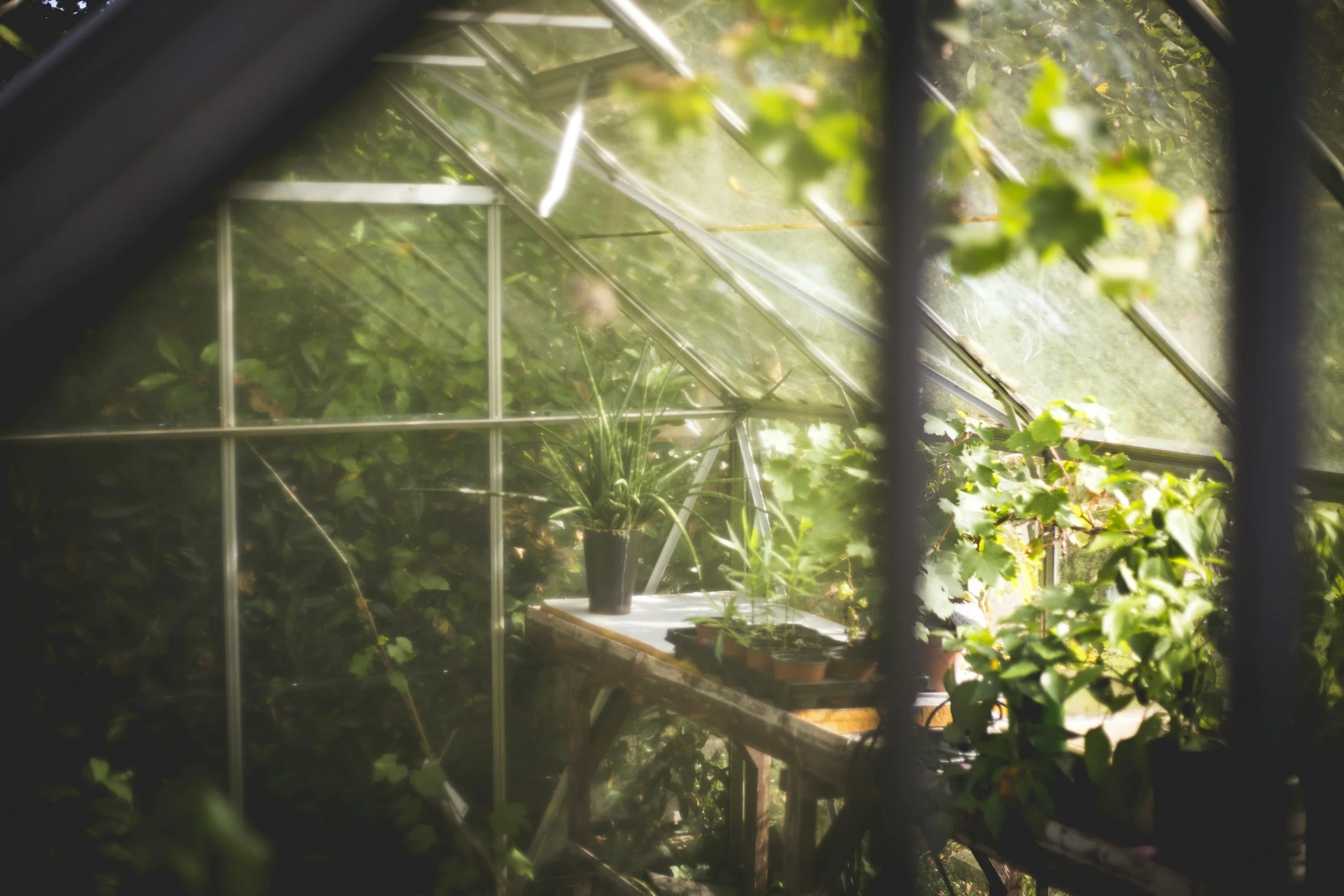
There’s something about this time of year—the first stretch of warm, forgiving weather—that pulls you back outside. Back to the garden. Back to the dirt.
And for me, back to something I didn’t fully realize I’d been missing.
Last night, I found myself knee-deep in soil, taking on the stubborn, humbling task of removing quack grass. If you’ve ever dealt with it, you know—it’s not just a weed. It’s a system.
At first glance, it looks simple enough. A few blades of green breaking through the surface. Easy to grab, easy to pull.
But the moment you try, you realize how misleading that is.
What Lies Beneath
Beneath each small patch of quack grass is an extensive network of roots—long, resilient, and deeply interconnected. What looks like one plant is often ten. Or twenty.
And if you rush it—if you just pull from the surface—you don’t solve the problem.
You break it.
And what happens when you break a root system like that?
It grows back. Stronger. Wider. More persistent.
So instead, you have to slow down.
You soften the soil. You work your hands gently around the base. You follow each root carefully, tracing it through the earth as it connects to the next plant… and the next… and the next.
It’s not quick work. But it’s the only work that actually lasts.
The Parallel to Osteopathy
Somewhere between loosening the soil and tracing another stubborn root, I had a thought:
This is exactly what we do in osteopathy.
In practice, it’s easy to focus on what’s presenting at the surface—the pain, the tension, the area that’s speaking the loudest. But just like that patch of quack grass, what you see (or feel) is rarely the full story.
The body, like the garden, is deeply interconnected.
A tight shoulder might be rooted in how the ribs move.
Low back discomfort might trace back to the hips—or even the feet.
Recurring tension often isn’t a single point—it’s a pattern.
If we only “pull at the surface,” we might create temporary relief. But without addressing the underlying connections, the issue often returns… sometimes in a slightly different form, sometimes more persistent than before.
Working With the Body, Not Against It
What stood out most in the garden wasn’t just the roots—it was the approach required to deal with them.
You can’t force your way through.
You can’t rush it.
And you definitely can’t ignore the system as a whole.
You have to work with the environment.
In osteopathy, that same principle applies.
We’re not forcing the body into change—we’re creating the conditions for it to reorganize and heal. We’re listening to the tissues, following patterns, and gently guiding the system back toward balance.
Just like in the garden, it’s about:
Creating space
Following connections
Respecting the pace
Addressing the root—not just the symptom
Looking Deeper
That hour in the dirt reminded me of something simple, but easy to forget:
Surface-level solutions rarely create lasting change.
Whether it’s in the body, our habits, or even the way we manage stress—real progress asks us to look deeper. To get curious. To be patient enough to trace things back to where they begin.
And yes—that process can be slower.
But it’s also where the real transformation happens.
A Return to Nature
There’s a reason being in the garden feels grounding. It reconnects us—to the seasons, to the pace of natural change, and to the understanding that everything is part of a larger system.
Health works the same way.
It’s not isolated. It’s not linear. And it’s rarely as simple as it first appears.
But when we take the time to understand the root…
When we work with the body instead of against it…
When we respect the interconnected nature of it all…
That’s when things start to shift in a meaningful, lasting way.
If you’ve been feeling stuck in a cycle of recurring tension, discomfort, or symptoms that never quite resolve, it might not be about doing more.
It might be about looking deeper.
And finding the root.
